
What is phage therapy?
Phage therapy is a type of antimicrobial therapy that uses phages to treat bacterial infections. It can be administered to patients via multiple routes including oral, topical and intravenous administration.
Phages can be manufactured as ‘off-the-shelf’ products, with a standardised formulation. Alternatively, it can also be used as a personalised medicine, individually tailored to target and treat the specific bacterial strain(s) responsible for a patient’s infection.
This therapy has been used to treat bacterial infections for over a century, first applied in 1919 to cure cases of dysentery. However, when antibiotics like penicillin were discovered in the 1920s, interest in phage therapy amongst the scientific and medical community declined. With the emerging threat posed by the antimicrobial resistance (AMR) crisis, interest in phage therapy has grown.
A recent observational study of 100 patients receiving phage therapy as a last-report treatment for a bacterial infection found clinical improvement in 77.2% of cases and eradication of the target bacteria in 61.3% of cases, when phage therapy was administered in combination with antibiotics(1) – highlighting the potential of phage therapy to help effectively treat antibiotic-resistant infections.

What are some of the benefits of phage therapy?
1. Phages can kill bacteria resistant to antibiotics: Phages and antibiotics use different mechanisms to kill bacteria(2).
2. Phages are very specific: Phages typically infect only a few strains of a particular bacterial species. Unlike antibiotics, this means phage therapy does not harm the good bacteria that reside naturally in our body, helping to reduce side effects such as nausea(2).
3. Phage therapy can be used alongside other treatments: Phage therapy can be administered to a patient along with antibiotics. Combination therapy can help to resensitise resistant bacteria to antibiotic treatment, helping to improve the effectiveness of patient care(3).
4. Phages can breakdown biofilms: Biofilms are complex communities of microorganisms surrounded in a glue-like matrix. These microbial communities have been found to be up to 1000 times more resistant against antibiotics, compared to free-living bacteria(4) and are responsible for chronic infections. Molecules known as enzymes, produced by phages, can breakdown and degrade biofilms, making these complex microbial communities more susceptible to antibiotic treatment(5).
What are some potential risks of phage therapy which must be considered?
When introduced into the body, phages can be recognised by the immune system. This can present two challenges. Firstly, the phage can be detected and removed from the body by the immune system, before it has killed the bacteria responsible for driving infection. This can decrease the efficacy of the treatment and consequently hinder a patient’s clinical outcome.
Like any immune response, phages may also cause a patient to experience unwanted symptoms to the therapy, depending on how reactive the immune system responds to the phage.
Further research by the scientific and medical community is needed when designing phage therapies, to ensure that the formulation does not trigger an immune response in patients, which may hinder its efficacy or stimulate adverse reactions.
Phage therapy in the UK
In 2024, the UK Government acknowledged the potential of phage therapy to help address the antibiotic resistance crisis(6-7).
Following this, in 2025 the Medicines & Healthcare products Regulatory Agency (MHRA), released a guidance document to support the development of phage therapeutics, declaring that any phage used to prevent or treat disease in the UK is classified as a medicinal product(7).
Phage therapies can be formulated from natural or engineered phages. Natural phages are isolated from environmental sources, such as rivers or the human body, and remain genetically unmodified. Engineered phages can be artificially produced in a lab or can be derived from natural phages which have subsequently undergone genetic modification. Phages may be genetically modified to enhance the therapies mode of action or enhance the stability of the formulation.
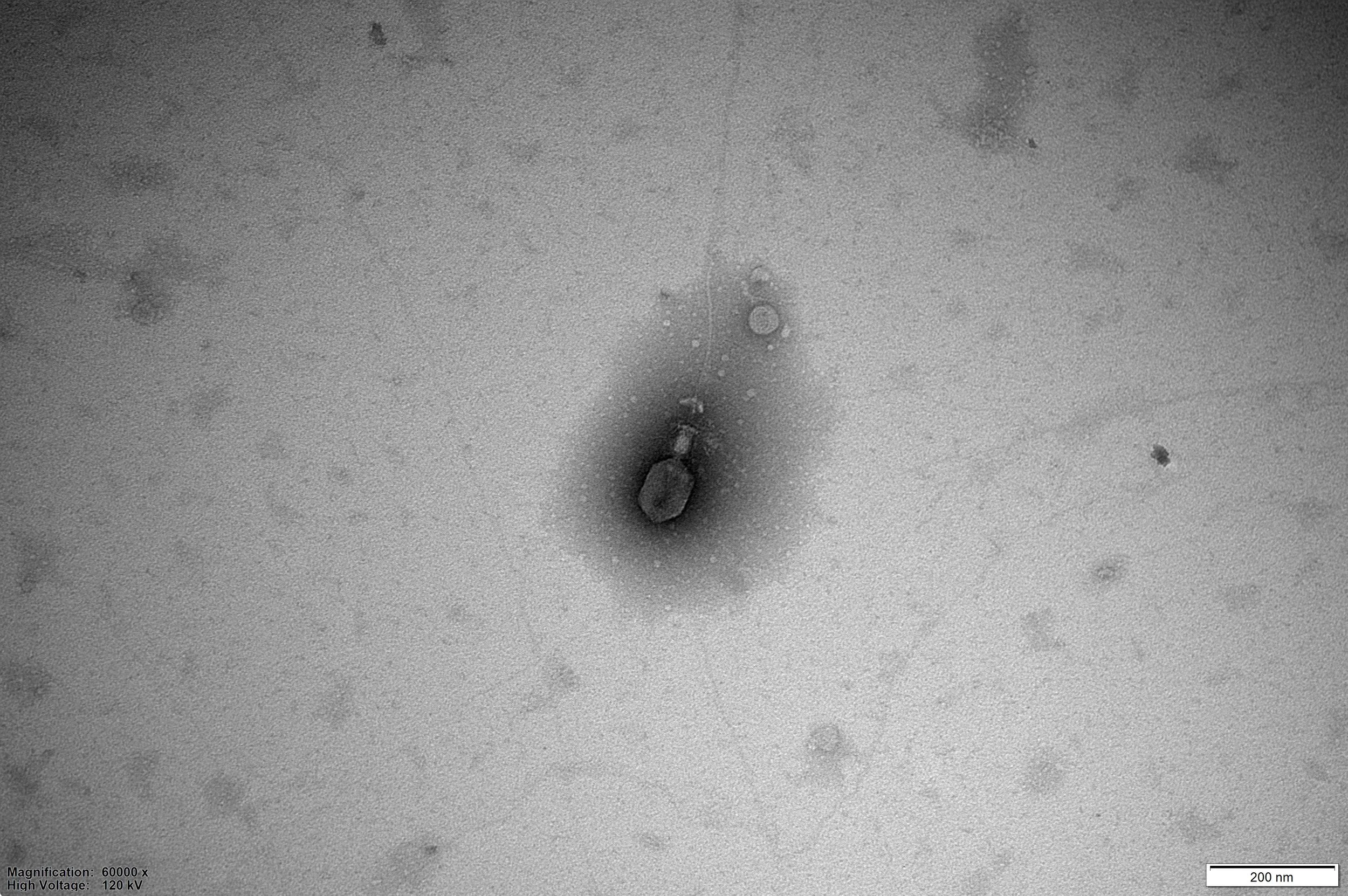
Natural and engineered phages prepared for therapeutic purposes can be classed more specifically in the UK(8):
Natural phages used in therapies are a biological medicinal product, defined as a treatment produced or extracted from a biological source.
Engineered phages which do not influence the therapies mode of action are biological medicinal products with Genetically Modified Microorganism (GMM) status.
Engineered phages which influence the therapies mode of action are a gene therapy medicinal product - a treatment containing an active substance which has undergone genetic editing to influence the therapies therapeutic, prophylactic or diagnostic effect. They also possess a GMM status.
Currently, phage therapy can be administered in the UK on a compassionate use basis as an unlicensed medicine, when all other treatments have failed, or are unsuitable for a patient.
DISCLAIMER
At the Phage Collection Project, we focus on developing a comprehensive phage biobank and investigating the therapeutic application of phages for research purposes and experimental medicine. The information we provide is for research and education purposes only, not medical advice. Consult a licensed medical professional for any medical concerns.
References
(1) Pirnay, J-P. Djebara, S. Steurs, G. Griselain, J. Cochez, C. De Soir, S et al. Nature Microbiology 2024. Personalised bacteriophage therapy outcomes for 100 consecutive cases: a multicentre, multinational, retrospective observational study.
(2) Olawade, DB. Fapohunda, O. Egbon, E. Ebiesuwa, OA. Usman, SO. Faronbi, AO et al. Microbial pathogenesis 2024. Phage therapy: A targeted approach to overcoming antibiotic resistance.
(3) Chan, BK. Sistrom, M. Wertz, JE. Kortright, KE. Narayan, D. Turner, PE. Scientific Reports 2016. Phage selection restores antibiotic sensitivity in MDR Pseudomonas auerginosa.
(4) Sharma, D. Misba, L. Khan, AU. Antimicrobial Resistance & Infection Control 2019. Antibiotics versus biofilm: an emerging battleground in microbial communities.
(5) Lu, TK. Collins, JJ. PNAS 2007. Dispersing biofilms with engineered enzymatic bacteriophage.
(6) House of Commons. 2024. The antimicrobial potential of bacteriophages.
(7) HM Government. 2024. Confronting antimicrobial resistance 2024 to 2029.
(8) Medicines & Healthcare products Regulatory Agency. 2025. Regulatory considerations for therapeutic use of bacteriophages in the UK.
(9) Coxon, C. Bell, E. Adriaenssens, E. Clark, J. Edwards, J. Gohir, T et al. Microbiology 2025. Interpretation guidance for MHRA regulatory considerations for phage therapeutic products.